At a recent roundtable discussion organized by Dân trí newspaper, a representative from the Tax Department under the Ministry of Finance proudly announced a technological advancement: the process for transmitting, receiving, and synchronizing data between tax authorities and the Immigration Department at border checkpoints.
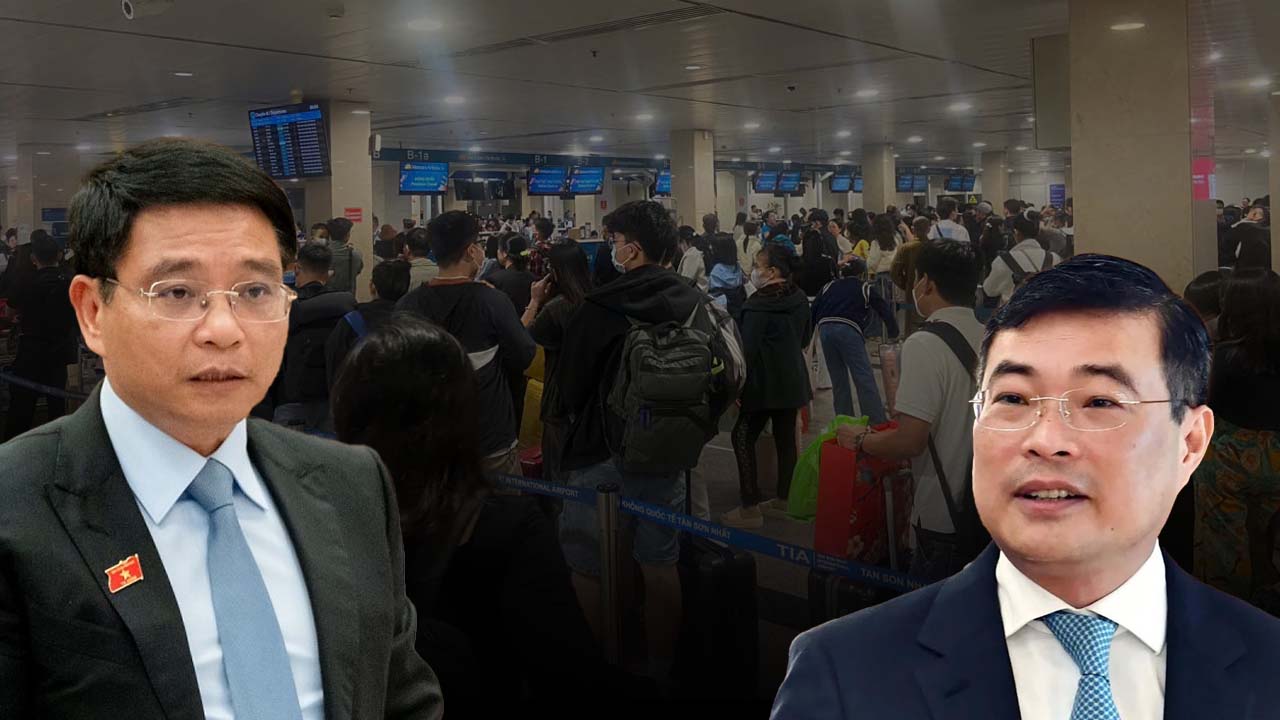
According to this, lifting a temporary exit ban takes a mere 3 to 5 minutes after a taxpayer fulfills their obligations via the eTax Mobile app.
However, behind the glitz of these optimized technical infrastructure figures lies a bitter and frustrating reality that thousands of Vietnamese citizens are currently facing at international border crossings.
They are suddenly stopped just before departure due to extremely small tax debts—or even because their personal information has been misused by criminals to establish shell companies without their knowledge.
According to experts, the “tax ID cleanup” campaign and the increased pressure to recover public debt currently being implemented by the tax authorities have revealed serious signs of abuse of power, while also exposing a mindset that shifts all the risk onto the citizens.
According to official data from the Tax Department, there have been approximately 4,000 complaints from citizens regarding the unauthorized use of their personal information to establish businesses, or being suddenly saddled with related financial obligations.
The widespread and indiscriminate application by regulatory authorities of temporary travel bans—even in cases of overpaid taxes—demonstrates a “better safe than sorry” approach to management.
This practice has transformed financial enforcement tools into a looming administrative trap that constantly threatens the daily lives and livelihoods of all citizens.
From a legal and human rights perspective, Article 23 of the 2013 Constitution of Vietnam clearly states that “the right to freely travel abroad and return to the country is a fundamental right of citizens.”
According to experts in public administration, the temporary exit ban, by its very nature, must be an administrative enforcement tool of proportionate nature.
It must be applied under strict conditions to acts of “deliberate tax evasion or the large-scale concealment of assets,” and must not be distorted into a blanket debt collection solution for all debts, regardless of size.
Preventing a citizen from leaving the country solely because of an unspecified debt not only causes economic harm but also seriously violates the balance between state power and constitutionally guaranteed freedoms.
Furthermore, the shortcomings are clearly evident in the current procedures for notification and service of documents by tax authorities.
The lack of verification, coupled with confusion in handling cases where contact information has changed, has turned tax obligations into “loopholes” that are forcing citizens into a passive position. Tax authorities cannot excuse themselves by promising to lift an exit ban within a few minutes via the eTax Mobile app.
Meanwhile, the process of issuing travel restriction orders lacks transparency and openness, and there is no mechanism for citizens to present their case before being placed on the blacklist.
It is time for the Ministry of Finance and the Tax Department to seriously and frankly reassess the entire “travel ban” campaign, which amounts to an abuse of power.
A reasonable minimum debt threshold must be established promptly for cases not yet covered by regulations, while clearly distinguishing between intentional tax evasion and delays in completing registration procedures or ceasing business operations.
A modern and civilized administrative system in this new era cannot continue to use pressure from budget revenue targets to cover up abuses of power. Doing so would undermine the constitutionally guaranteed freedoms of all citizens.
Trà My – Thoibao.de